Green Operations

We strictly comply with laws, regulations and relevant requirements, established a three-tier environmental protection organizational structure of decision-management-execution, operate the environmental management system, occupational health and safety management system, energy management system and greenhouse gas management system effectively, and actively implement green manufacturing to protect the ecological environment and mitigate and adapt to climate change.

Green Operations

We strictly comply with laws, regulations and relevant requirements, established a three-tier environmental protection organizational structure of decision-management-execution, operate the environmental management system, occupational health and safety management system, energy management system and greenhouse gas management system effectively, and actively implement green manufacturing to protect the ecological environment and mitigate and adapt to climate change.

EHS Policy
To help achieve the vision of “becoming a leader in intelligent automotive display and solutions,” protect employee health, reduce waste and greenhouse gas emissions, lower energy consumption, avoid EHS incidents and reduce their impact, ensure safe, healthy and green production, and improve the company’s EHS performance, we make the following commitments:
Tackling climate change

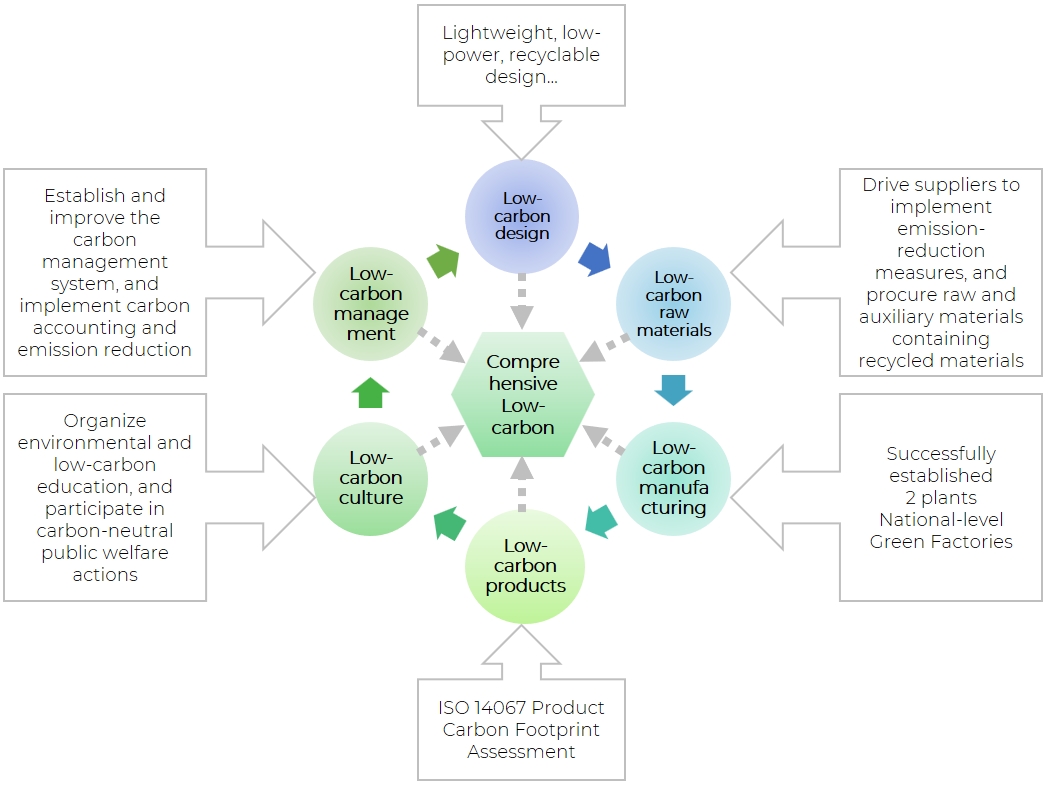
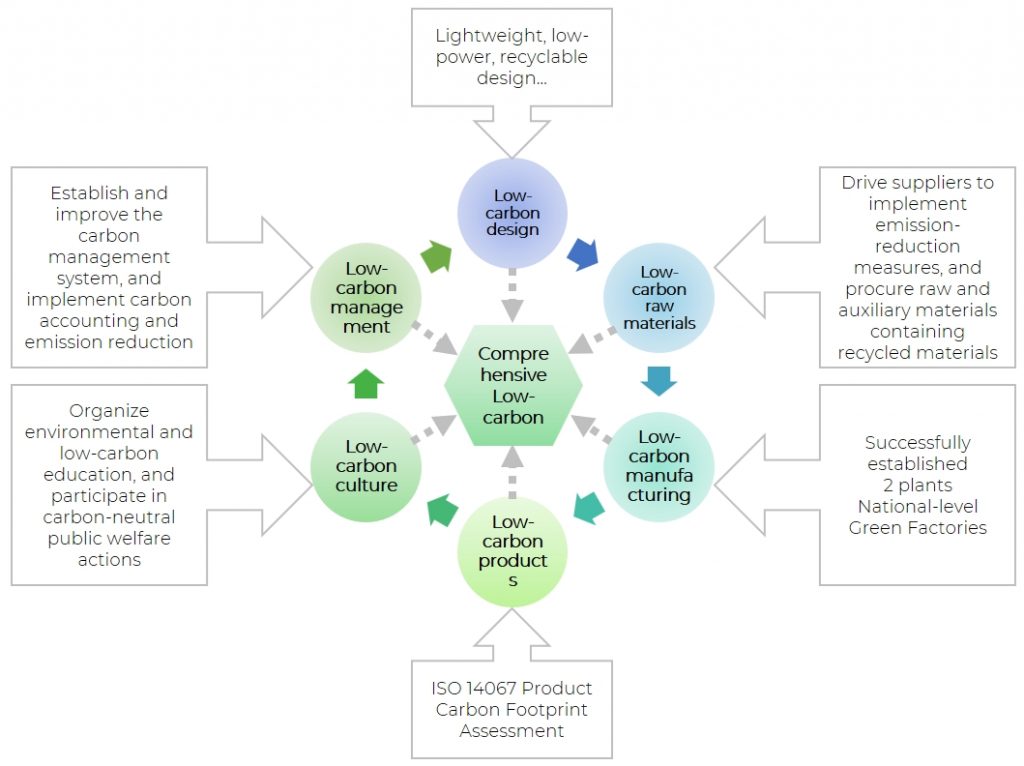
Through six major low-carbon actions, we actively advance the greening and low-carbon transformation of our own operations, and work to drive the green, low-carbon transition of the supply chain, so as to enhance climate resilience, manage climate risks, and seize opportunities.

Tackling climate change

Through six major low-carbon actions, we actively advance the greening and low-carbon transformation of our own operations, and work to drive the green, low-carbon transition of the supply chain, so as to enhance climate resilience, manage climate risks, and seize opportunities.

Low-carbon goals and pathway

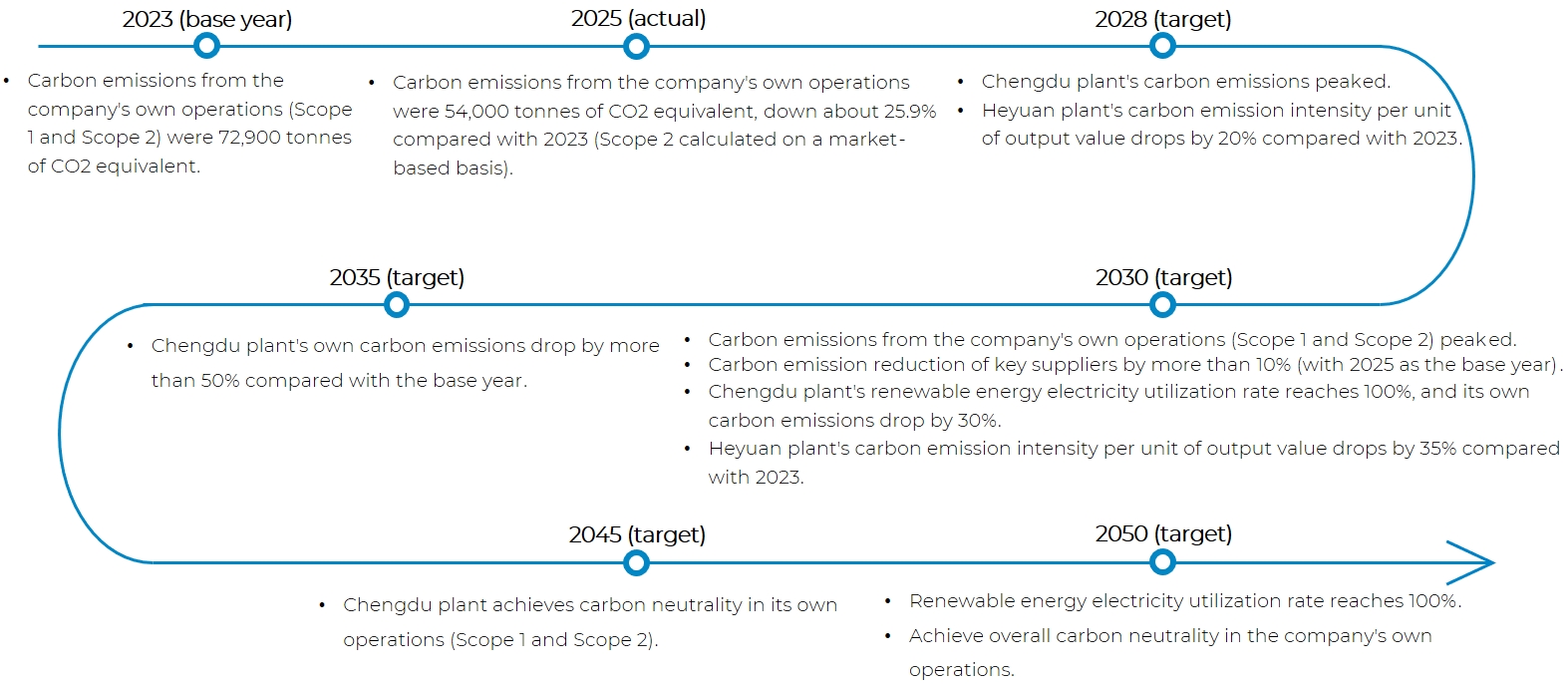
We have established and implemented the “Dual Carbon” Management System, the Greenhouse Gas Emission Accounting and Reporting System, and the Product Carbon Footprint Accounting Management System. Every year we account for and assess greenhouse gas emissions at the organizational level and the carbon footprint of typical products, and use the results to guide low-carbon decision-making, anchor the goals of peaking carbon by 2030 and achieving carbon neutrality by 2050, and keep advancing on the path of green and low-carbon development.

Notes:We will update our low-carbon targets dynamically based on economic and technological conditions, and strive to achieve the carbon neutrality steadily and orderly as soon as possible.

Efficient resource utilization

We regard resource management as a key issue for implementing the sustainability strategy and driving the company’s high-quality development, and continue to improve resource utilization efficiency through systematic management and innovative technology applications.

Water resource management
In accordance with the company’s Water Conservation Management System, we fully implement water-saving plans at production-based operating sites, adopt three-level metering, regularly assess water use, identify water-saving opportunities, and improve water-use efficiency.
Since 2023, the industrial water reuse rate at production bases has reached 98%, the total loss rate has been below 5%, and the water intake intensity per unit of output value has dropped by 26% cumulatively, achieving notable results in water efficiency management.

Water-saving case:

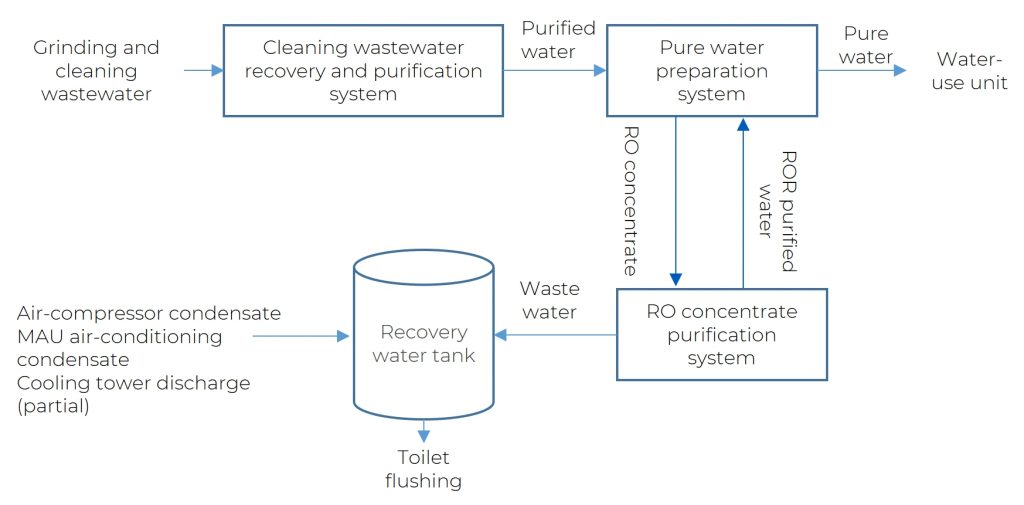
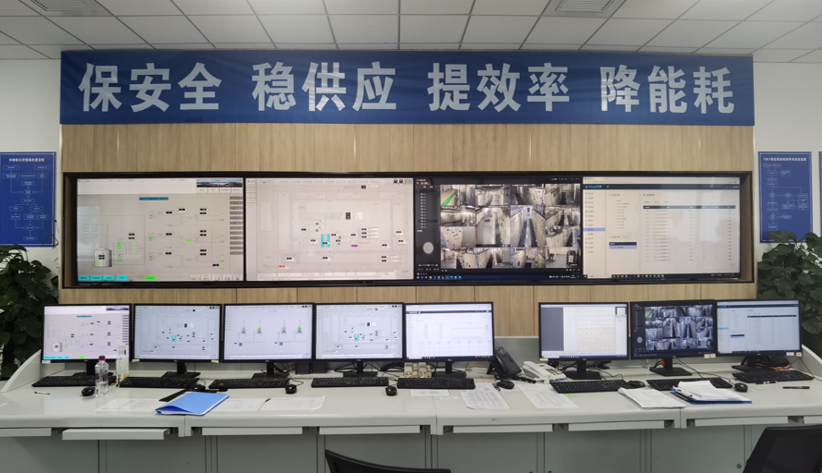
As shown on the right, BOE Varitronix’s Chengdu plant has built comprehensive wastewater recovery facilities to relieve water pressure. It recycles grinding and cleaning wastewater, RO concentrate, air-compressor condensate, MAU air-conditioning condensate, and part of the circulating cooling tower discharge, saving an average of 190,000 tonnes of water per year, equivalent to 96% of the Chengdu plant’s total tap water use.

Schematic of Chengdu plant’s water reuse facilities

Energy management

We adopt “compliance with laws, energy conservation and consumption reduction, clean production, and continuous improvement” as our energy policy. We conduct full-process energy audits covering energy procurement, storage, processing and conversion, transmission and distribution, end use, and waste-energy recovery, identify energy-saving opportunities, and implement energy-saving measures to continuously improve energy utilization efficiency.

Our production-based operating sites in mainland China (Heyuan plant and Chengdu plant) have all passed ISO 50001:2018 energy management system certification.

2025 mainland China production bases:
Completed 17 energy-saving measures, with annualized energy savings of 441.66 tonnes of standard coal(3,593.64 MWh of electricity);
Comprehensive energy consumption per billion yuan of industrial output value fell by about 14% year on year;
By operating waste-heat recovery facilities, saved 465,800 m³ of natural gas and 112 m³ of light diesel;
Added distributed PV installed capacity of 1.992 MWh (DC side).

Material conservation

We apply full-chain material control from product design, material procurement, and processing and manufacturing through to waste treatment, achieving an industry-leading material utilization rate. In 2025, working with customers and suppliers, we implemented the circular use of packaging materials, saving 67 tonnes of wooden pallets, 49.34 tonnes of EPS foam boxes, 397 tonnes of blister boxes, and 22.5 tonnes of plastic pallets; and we resource-recovered 2,779.80 tonnes of waste,with a comprehensive utilization rate of 94.5%.

1

Green product design

Promote lightweight and reduction-oriented design to lower resource consumption at the source; optimize product structural design for easy disassembly and sorting; and strengthen the easy-to-recycle and renewable design attributes of products.

2

Green material procurement

Implement strict green environmental qualification certification for admission; prioritize packaging containing recycled materials; and actively procure components containing recycled materials.

3

Efficient material utilization

Adopt advanced production management systems and process technologies, and apply scientific management methods to strictly control production losses and maximize the comprehensive utilization rate of raw materials.

4

Waste resource circulation

Work with upstream suppliers to promote the circular use of raw material outer packaging; collaborate with downstream customers to implement product packaging recovery and reuse; and process waste as resources to achieve resource circulation.

Environmental pollution prevention and control

Through source emission reduction, process control, and end-of-pipe treatment, we manage environmental pollutants and solid waste across their full life cycle, and have established an emergency system for environmental incidents to strictly control environmental pollution risks. Our production-based operating sites in mainland China (Heyuan plant and Chengdu plant) have all passed ISO 14001:2015 environmental management system certification.

Wastewater management

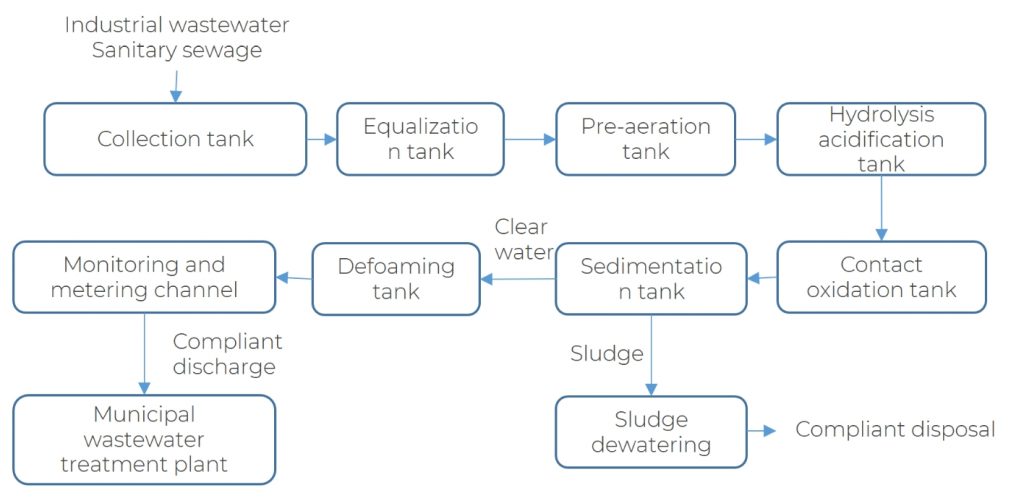
We strictly comply with water pollution prevention laws and regulations and relevant requirements, implement rain-sewage separation, treat all types of wastewater with mature and reliable processes, and achieve a 100% water quality compliance rate. We also actively carry out wastewater reuse to reduce effluent discharge.

Flowchart of Heyuan plant’s wastewater treatment process
2025 mainland China production bases:
Wastewater discharge was 653,300 tonnes, down 13% year on year;
Wastewater recovered was 258,700 tonnes,Wastewater reuse rate was 28%;
Discharged 4.28 tonnes of ammonia nitrogen and 40.74 tonnes of COD, 0.62 tonnes of total phosphorus and 21.05 tonnes of BOD.
Exhaust gas management

We strictly comply with air pollution prevention laws and regulations and the company’s Air Pollution Prevention and Control Management System, implement thorough source collection and end-of-pipe purification of industrial exhaust gas, and emit air pollutants at concentrations far below the standard limits. We also widely use low-VOCs chemicals that meet environmental standards to reduce the intensity and volume of VOCs generated.

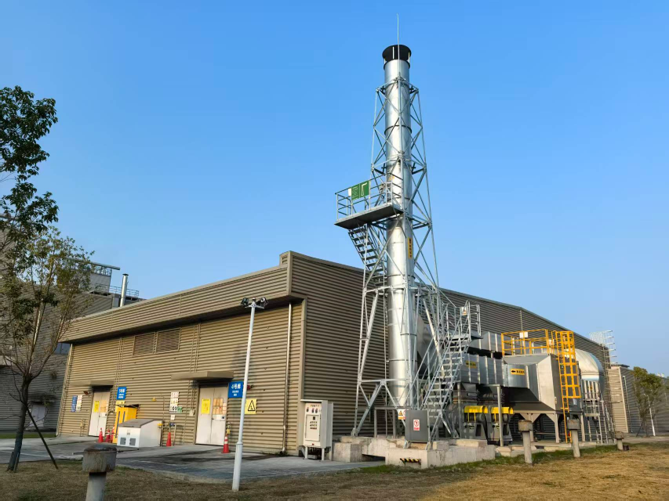
Chengdu plant’s organic exhaust gas treatment facilities at the hazardous waste warehouse

2025 mainland China production bases:
100% air pollutant monitoring compliance rate;
Reduced VOCs by about 136.5 kg/year by adding organic exhaust gas collection and purification facilities in the hazardous waste warehouse;
Replaced gas boiler heating with waste-heat recovery, avoiding SO₂ and NOₓ emissions;
Air pollutant emissions per unit of industrial output value fell by 10.8% year on year.
Waste management

In strict accordance with laws and regulations and the company’s Solid Waste Management System and Scrapped Product Management System, we manage solid waste, have built standardized waste collection and storage facilities, and formed a complete system for the sorted collection, storage, transfer and disposal of waste, ensuring the goals of reduction, resource recovery and harmlessness.

2025 mainland China production bases:
Total hazardous waste generated was 195 tonnes, 100% compliantly utilized and disposed of;
Hazardous waste generated per billion yuan of industrial output value was 17.31 tonnes;
General industrial solid waste generated was 2,749 tonnes;
General industrial solid waste generated per billion yuan of industrial output value was 244 tonnes;
Total outsourced comprehensive utilization of industrial solid waste was 2,779.80 tonnes;
Comprehensive utilization rate of industrial solid waste was 94.5%.

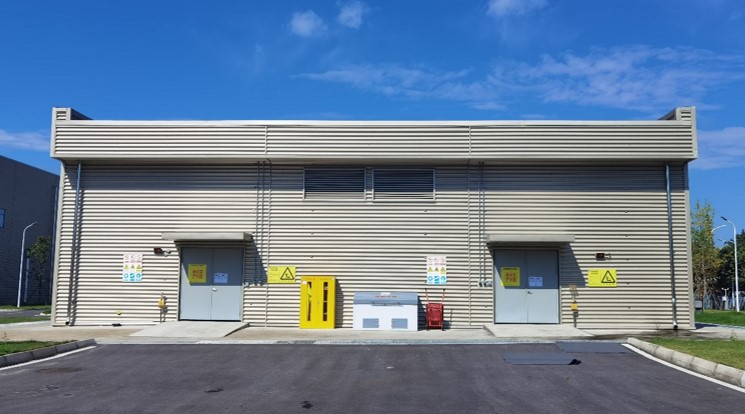
Chengdu plant’s hazardous waste temporary storage warehouse

Green and low-carbon manufacturing

Throughout the full process of plant planning, construction and operation, we fully apply the green manufacturing concept, achieving low-carbon energy, efficient resources, clean production, green products, and intensive land use.

Our core production bases – Heyuan plant and Chengdu plant – were officially certified as national-level green factories in 2026.

Low-carbon energy

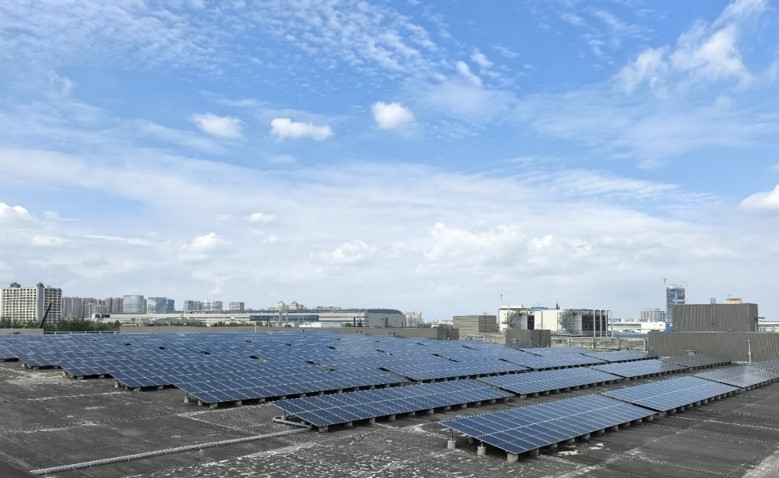
Through measures such as developing and using solar energy, using green electricity, electrifying forklifts, and recovering waste heat, our production bases have achieved low-carbon energy, with clean energy accounting for over 99.5%.

2025 mainland China production bases:

PV installed capacity reached 2.5365 MW, generating 2,408.58 MWh for the year;
using 54,687.708 MWh of green electricity, with green electricity accounting for 39.85% for the year.

Efficient resources

We have built an efficient, closed-loop resource utilization model, achieving an industry-leading raw material utilization rate, a 100% comprehensive utilization rate of general industrial solid waste, and a 98% industrial water reuse rate.

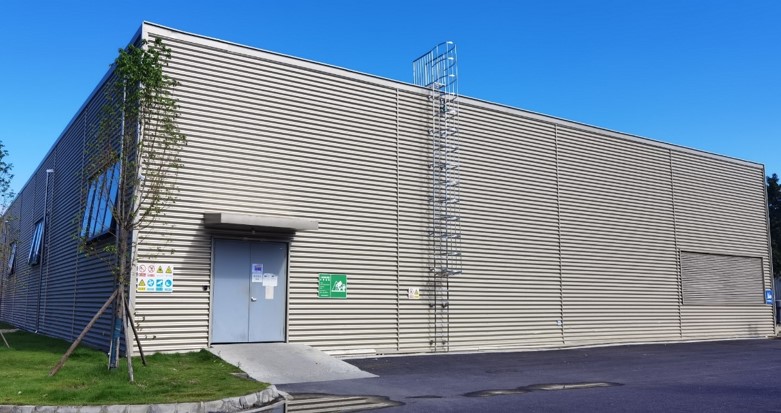
General industrial solid waste resource recovery station

Clean production

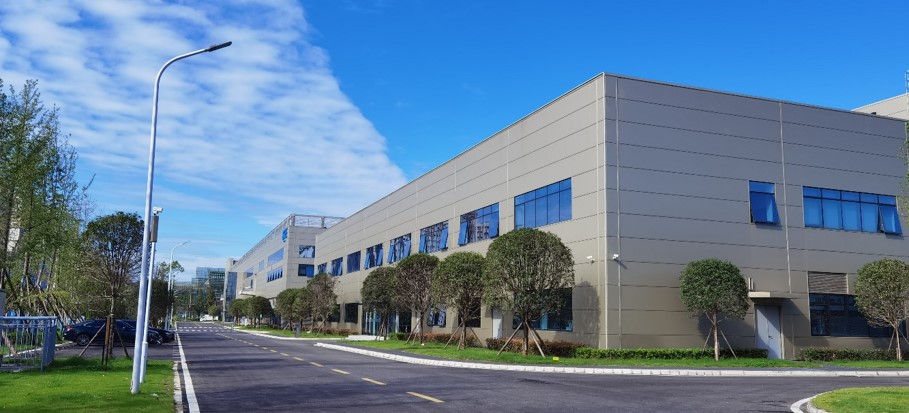
Plant site photo

We have advanced production technology and excellent production equipment, actively implement cleaner production audits, and carry out green and low-carbon upgrades. Both plants in China have completed cleaner production audits and passed government acceptance, with the Chengdu plant reaching the domestic advanced level of cleaner production.

Green products

At the product design stage, we apply green design concepts to carry out green design in aspects such as lightweighting, harmlessness, long life, low power consumption, easy recycling, disassembly, and renewability.

At the production stage, we establish and operate a hazardous substance process management system, strictly enforce limits on hazardous substances in products and packaging, and use green technologies to create green, environmentally friendly products.

For product carbon footprint management, we conduct carbon footprint quantification assessment and improvement for typical products.
The production bases’ Hazardous Substance Process Management (HSPM) system certification covers 100%

In 2025, we calculated the carbon footprint of 7 products based on the ISO 14067:2018 standard

of which 2 obtained third-party product carbon footprint assessment certificates

Intensive land use

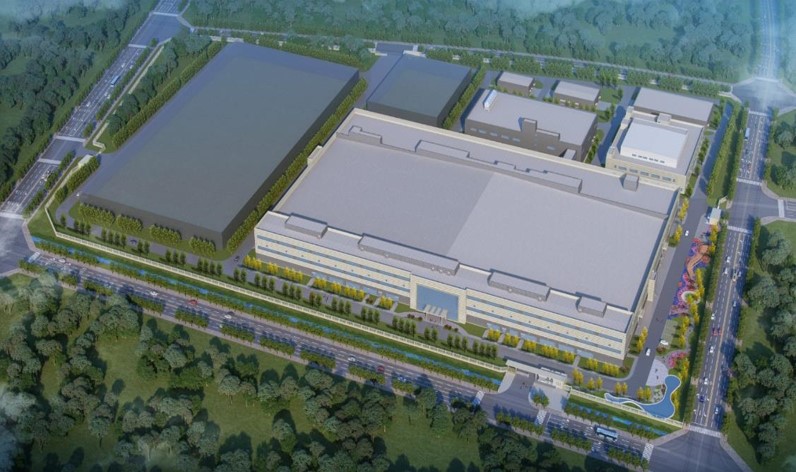
Our production base projects feature scientific planning and compact layout, achieving efficient allocation of land resources and multifunctional composite use, with output value per unit of land area reaching an industry-leading level.

最新消息!京東方精電亮相首屆BOE IPC海外論壇,攜手歐洲產業鏈共創新價值更多